Fighting the war at home.
This resource has been archived as the interactive parts no longer work. You can still use the rest of it for information, tasks or research. Please note that it has not been updated since its creation in 2009.
Nearly all of the content of this site has been redeveloped to create two extensive document bundles and a resource with film sources from the collections of the Imperial War Museum:
Home Front 1939-1945
You can find more content on this topic in our other resources:
Lessons

- The Home Front
How did people prepare for the war at home? - Government posters
How did Britain encourage people at home to help win the war?
Themed collections
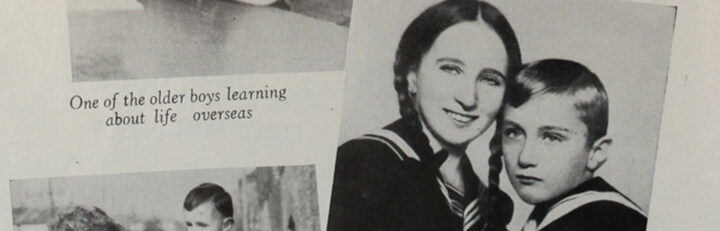
- Kindertransport
Saving refugee children?